
Your Food, Your Mood
Discover how the foods you eat directly shape your energy, focus, and emotional wellbeing. Evidence-based insights from the Foodmoodconnection editorial team.
of people report mood changes linked to their diet
uses 20% of your body's daily energy intake
produces 90% of your serotonin naturally
typical time before food impacts your mood
The Science of Nutrition and Mental Health
Your brain and body are constantly communicating through chemical messengers called neurotransmitters. These tiny molecules—serotonin, dopamine, and GABA—regulate mood, motivation, and emotional resilience. The fascinating part? Most of these neurotransmitters are manufactured in your gut, not your brain.
When you eat nutrient-rich foods, you're not just fuelling your muscles—you're feeding the trillion microorganisms in your gut that help produce these mood-regulating chemicals. Simple carbohydrates, quality proteins, healthy fats, and micronutrients all play specific roles in this intricate system.
This is why a person might feel energised and focused after one meal, yet foggy and irritable after another. Your food choices directly shape your mental state, emotional stability, and overall energy levels throughout the day.
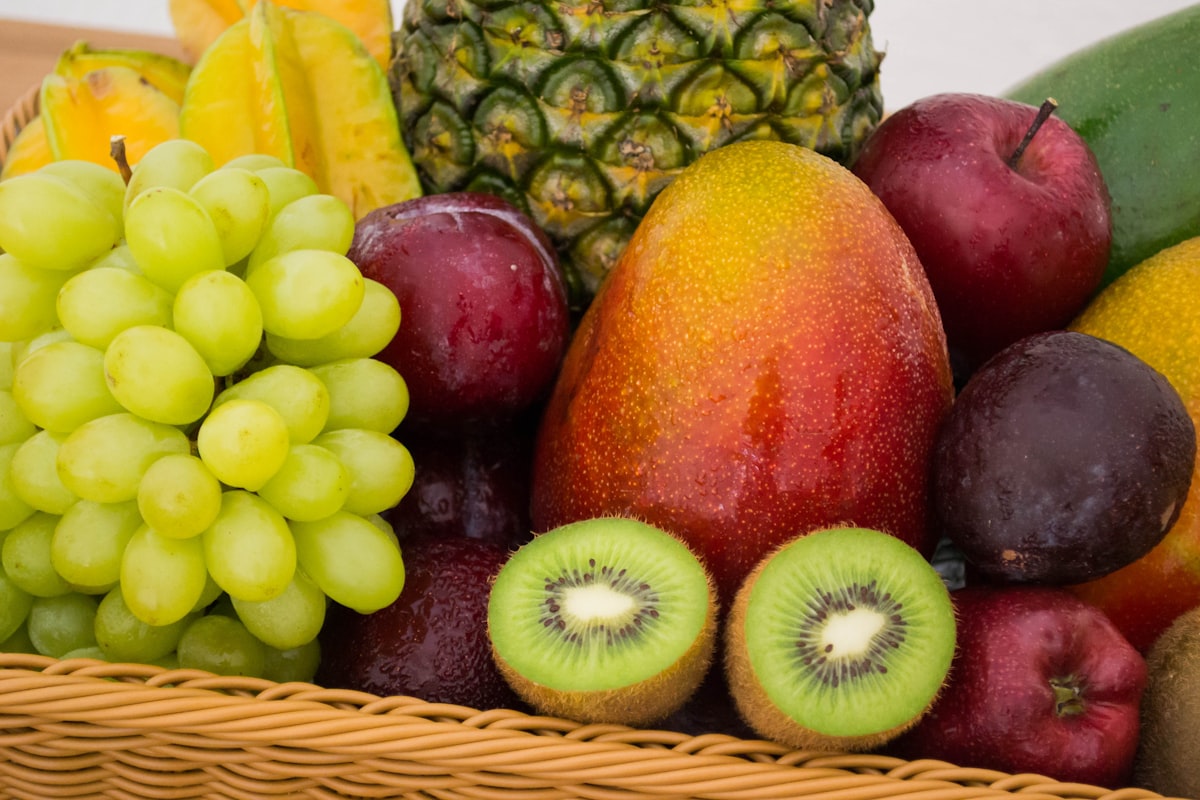
Top Foods That Boost Mood and Energy
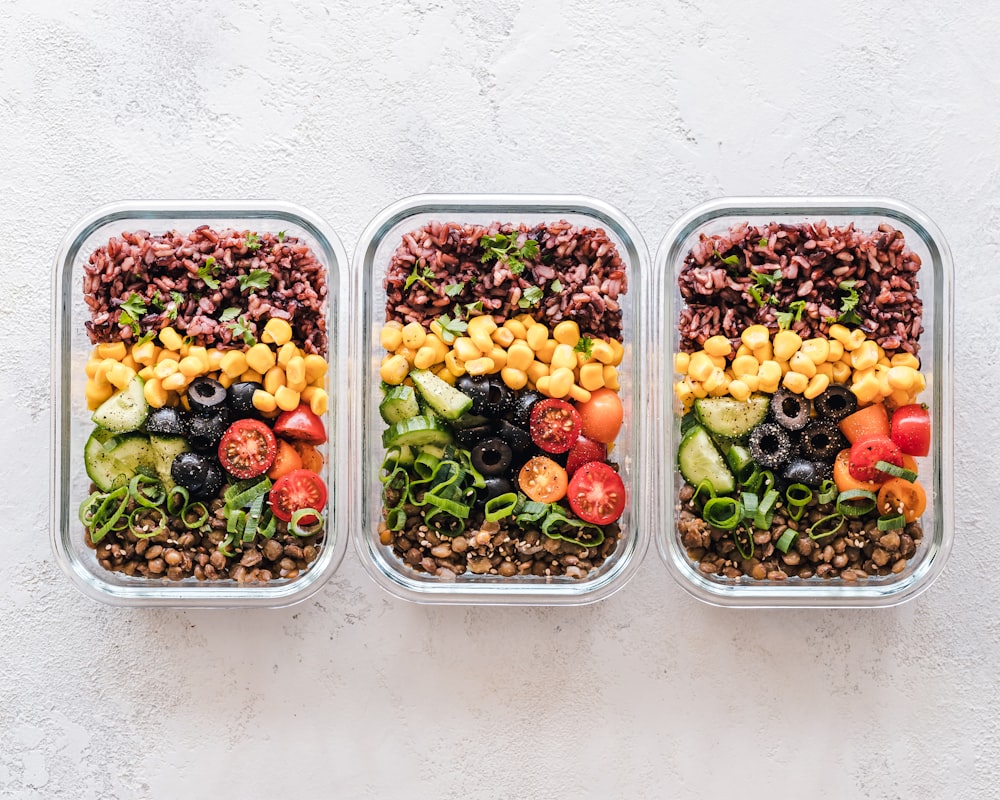
Fatty Fish
Salmon, mackerel, and sardines are rich in omega-3 fatty acids, which reduce inflammation and support neurotransmitter production. Studies show regular fish consumption correlates with improved mood and lower anxiety levels.

Leafy Greens
Spinach, kale, and other dark greens contain folate, magnesium, and B vitamins essential for serotonin synthesis. These nutrients are critical for maintaining stable energy and emotional balance throughout the day.

Berries
Blueberries, strawberries, and raspberries are packed with antioxidants that protect your brain from oxidative stress. Their natural sugars provide quick energy while their fibre maintains stable blood glucose levels.
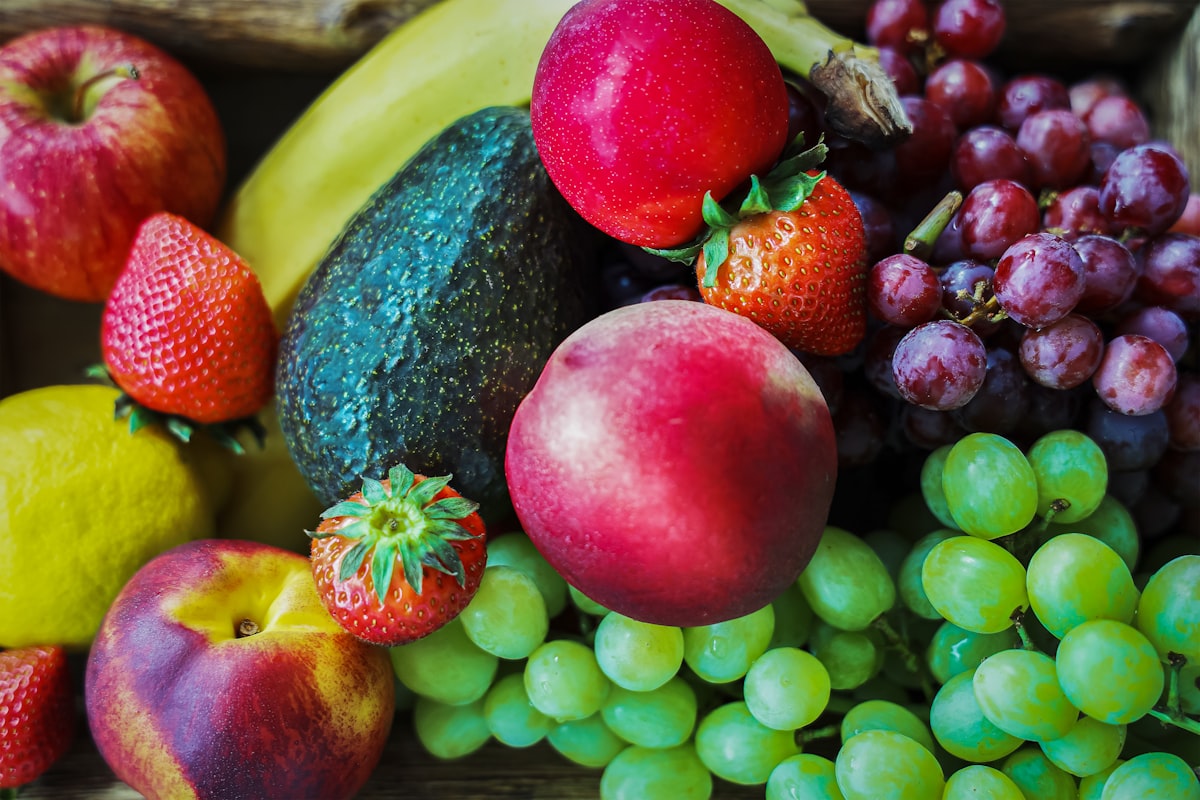
Nuts and Seeds
Almonds, walnuts, and pumpkin seeds provide magnesium, zinc, and healthy fats that support dopamine and serotonin levels. A small handful before work or study sessions can sustain focus for hours.

Whole Grains
Oats, brown rice, and quinoa release glucose slowly, preventing energy crashes. They also contain B vitamins that regulate stress responses and support consistent mood throughout the day.
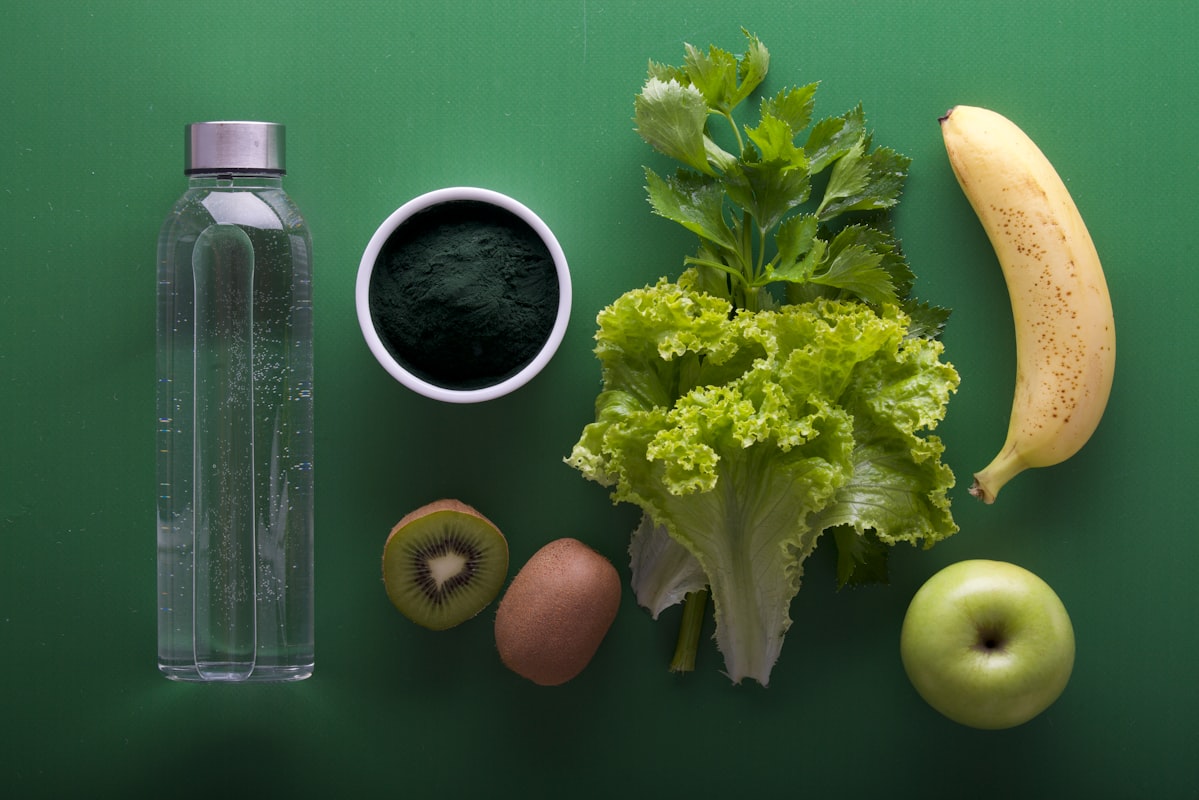
Fermented Foods
Yoghurt, kefir, and sauerkraut contain beneficial bacteria (probiotics) that improve gut health and enhance mood-related neurotransmitter production through the gut-brain axis connection.
Your 5-Step Guide to Mood-Optimised Eating
Track Your Energy
Keep a simple log of what you eat and how you feel 2-3 hours later. Notice patterns in energy levels, focus, and mood after specific meals.
Balance Your Plate
Combine protein, healthy fats, and complex carbohydrates at each meal. This combination stabilises blood sugar and prevents energy crashes and mood swings.
Prioritise Colour
Eat a rainbow of fruits and vegetables. Different colours contain different phytonutrients and micronutrients essential for brain function and emotional wellbeing.
Stay Hydrated
Even mild dehydration impairs mood and cognitive function. Aim for consistent water intake throughout the day to maintain mental clarity and emotional stability.
Mindful Eating
Slow down during meals. Eating mindfully improves digestion, reduces stress, and helps you actually notice how different foods make you feel.
Real Stories from Our Community
"After reading Foodmoodconnection's articles about omega-3s and mood, I started eating fatty fish twice a week. Within three weeks, my afternoon energy crashes completely disappeared. I now understand why I felt foggy after certain meals—it's genuinely changed how I approach eating throughout my day."
Sarah Mitchell
Manchester, United Kingdom
"I was sceptical about food affecting mood until I tried balancing my meals properly. The articles here explained exactly why my energy was crashing and gave practical solutions. I've never felt more stable emotionally, and my sleep quality has improved dramatically too."
James Cunningham
Leeds, United Kingdom
"The gut-brain connection article was a revelation. I never realised fermented foods could make such a difference. Since adding yoghurt and keeping my meals balanced, my stress levels are noticeably lower and I'm thinking more clearly at work."
Emma Richardson
Birmingham, United Kingdom
Why Choose Foodmoodconnection
Evidence-Based Research
Every article is grounded in peer-reviewed studies and scientific research. We don't speculate—we share what science actually tells us about food and mood.
Practical Insights
Complex nutrition science explained in simple language. Our content gives you actionable strategies you can implement immediately in your daily eating habits.
Community-Focused
We share real stories from people who've improved their mood and energy through better nutrition. Learn from genuine experiences and discover what works for others.
Holistic Approach
We explore the whole picture—how food, stress, sleep, and movement all work together to shape your mental and emotional wellbeing.
Frequently Asked Questions
Most foods begin influencing your mood within 20 minutes to 2 hours of consumption. Simple carbohydrates act quickly but may lead to energy crashes. Complex meals with protein and healthy fats provide sustained effects over 3-4 hours. Fermented foods and nutrient-dense options build mood stability gradually over days and weeks of consistent intake.
Yes. Your gut produces approximately 90% of your body's serotonin—the "happiness" neurotransmitter. Nutritious foods feed beneficial gut bacteria and provide the building blocks for neurotransmitter production. Research consistently shows that people who eat nutrient-rich foods report better mood stability, clearer thinking, and greater emotional resilience than those consuming highly processed diets.
Blood sugar directly affects neurotransmitter levels and stress hormones. When you eat refined carbohydrates alone, your blood sugar spikes quickly then crashes, causing irritability, anxiety, and fatigue. Combining carbohydrates with protein and healthy fats creates a steady glucose release, maintaining stable mood and energy. This is why balanced meals feel so much better than sugary snacks.
Several nutrients are particularly crucial: omega-3 fatty acids (brain inflammation), B vitamins (neurotransmitter synthesis), magnesium (stress regulation), zinc (immune and mood support), and amino acids like tryptophan (serotonin production). Rather than obsessing over individual nutrients, focus on eating whole foods—vegetables, fish, nuts, grains, and fermented products naturally contain this complete spectrum.
Absolutely. The goal is consistency, not perfection. Having treats occasionally won't derail your mood or energy—it's what you do most days that counts. Focus on building a foundation of nutrient-dense meals, and you'll naturally have better stability even when you enjoy less optimal foods. Many people find they actually crave healthier foods once they experience the mood benefits.
Your gut and brain communicate constantly through the "gut-brain axis." Beneficial bacteria in your gut produce neurotransmitters, regulate immune response, and influence stress hormone levels. When your gut microbiome is diverse and healthy—supported by fibre, fermented foods, and whole foods—your mood is typically more stable. Poor gut health correlates strongly with anxiety, depression, and low energy.
Discover How Your Food Shapes Your Mood
Explore our growing library of evidence-based articles, community stories, and practical guides to understanding the powerful connection between nutrition and emotional wellbeing. Start your journey toward better mood and sustainable energy today.
Have questions or feedback about our content? Reach out to us at [email protected] or visit us at Station Road 14, Manchester.